How to elope without upsetting family
Eloping doesn’t mean you love your family any less — but it can still bring up fear, tension, and difficult conversations.
Many couples searching for how to elope without upsetting family aren’t worried about logistics. They’re worried about relationships. About disappointing parents. About hurting people they care deeply about while choosing a wedding that finally feels right.
The truth is: eloping isn’t the problem. The lack of clarity, communication, and boundaries around it often is.
This guide is for couples who want to elope intentionally — without guilt, without unnecessary conflict, and without sacrificing their family relationships in the process.

How to Elope Without Upsetting Family (Without Losing Yourself)
Eloping often starts as a quiet realisation.
Not rebellion.
Not avoidance.
Not selfishness.
Just a knowing that the traditional version of a wedding doesn’t fit who you are — or how you want to begin your marriage.
And yet, even when eloping feels deeply right, one question lingers louder than the rest:
“How do we do this without hurting the people we love?”
This guide isn’t about convincing your family to agree with your choice.
It’s about helping you elope with clarity, compassion, and integrity — while protecting your relationship and theirs.

First: A Hard Truth Most Couples Avoid
You cannot control how everyone will feel about your elopement.
And trying to manage everyone’s emotions is often what creates the most pain.
Upset doesn’t automatically mean damage.
Disappointment doesn’t equal betrayal.
And disagreement doesn’t mean you’re doing something wrong.
Many families react strongly, not because they’re losing you, but because they’re losing the version of the day they imagined.
Understanding this difference changes everything.
Why Elopements Trigger Strong Family Reactions
Elopements touch on things deeper than weddings:
Identity (“This isn’t how our family does weddings”)
Visibility (“What will people think?”)
Loss of ritual (“I imagined seeing you walk down the aisle”)
Fear of being excluded
When families react emotionally, it’s rarely about the location or guest count.
It’s about grief for an imagined future.
That grief is real — but it does not mean you owe them a wedding that doesn’t fit you.

Eloping Without Upsetting Family Starts With Internal Clarity
Before any conversation happens, ask yourselves:
Why are we eloping?
What does this give us that a traditional wedding wouldn’t?
What are we not willing to compromise on?
What are we open to offering later?
When couples aren’t clear internally, conversations feel defensive.
When you are clear, conversations feel grounded — even if they’re emotional.
Clarity doesn’t eliminate discomfort.
It anchors you through it.
Boundaries Are Not Punishment — They’re Protection
One of the biggest myths around elopement is that setting boundaries is cruel.
In reality, boundaries are what keep conversations from becoming harmful.
A boundary can sound like:
“We’ve already made this decision, but we want to talk about how to include you afterward.”
“We’re open to your feelings, but the plan itself isn’t up for debate.”
“We want your support, not permission.”
Boundaries don’t push people away.
They prevent resentment from building later.
Timing Matters More Than You Think
Many families struggle most when they feel surprised or excluded from the process entirely.
That doesn’t mean you need to ask for approval — but it does mean timing your conversation thoughtfully.
Telling family:
After you’re emotionally aligned as a couple
Before rumours or assumptions form
In a calm, private setting (not group texts)
This alone can dramatically reduce conflict.
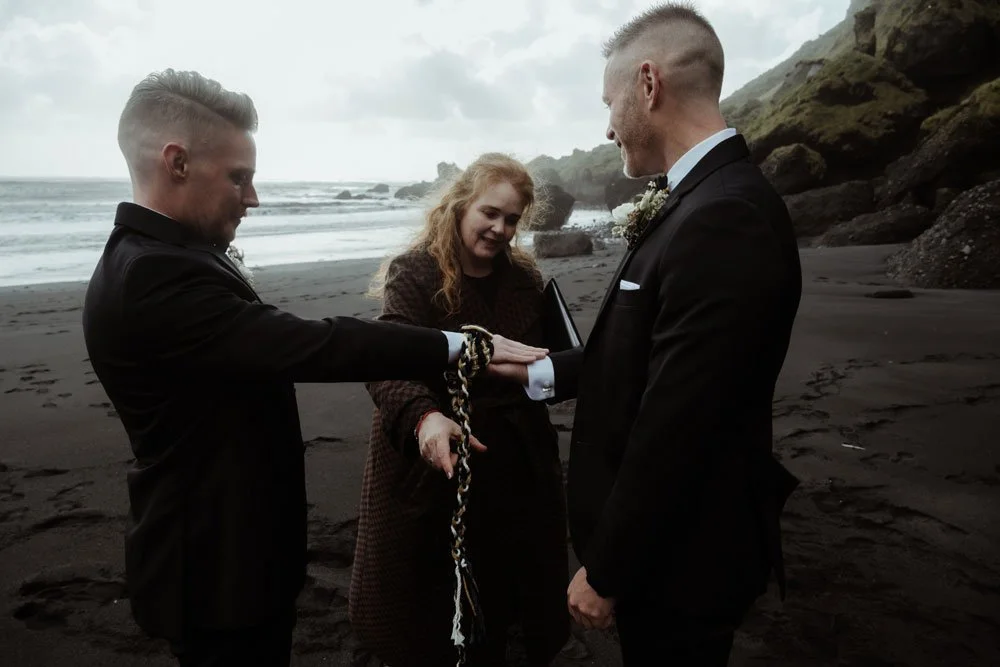
When Family Pushback Becomes Overwhelming
Sometimes reactions are stronger than expected.
If conversations start to feel manipulative, guilt-heavy, or emotionally unsafe, it’s okay to pause them.
You’re allowed to say:
“We need some space right now.”
“We’ll revisit this later.”
“This conversation isn’t productive.”
Choosing peace is not selfish.
It’s protective.
The Long View: What Families Remember Years Later
Years from now, families rarely remember:
Guest counts
Venues
Traditions you didn’t follow
They remember:
How honest were you were
Whether you stayed connected
Whether you let resentment grow — or choose clarity
Most families eventually adapt.
Many even come to understand.
Some may never fully agree — and that’s okay.
Your marriage is not a negotiation.
Eloping without upsetting family isn’t about avoiding emotion.
It’s about choosing:
Honesty over performance
Alignment over obligation
Long-term relationship health over short-term approval
You can love your family deeply and choose a wedding that reflects who you are.
Both can exist.